
Our Identity
For us, humanism means taking people seriously in their freedom and dignity, making knowledge accessible, fostering curiosity, and facilitating dialogue between different perspectives.

For us, James Loeb's legacy is not a look back. It is a mission for the present.
The James Loeb Society honors the memory of an extraordinary humanist, patron, and cultural ambassador. But remembrance alone is not enough for us. We want to translate the values James Loeb stood for into our own time: his conviction that education and culture bring people together, that social engagement entails responsibility, and that openness to other perspectives is a prerequisite for a free society.
James Loeb thought beyond boundaries; between America and Europe, antiquity and modernity, science and art, personal freedom and social responsibility. This way of thinking is particularly relevant for us today. At a time when certainties are becoming more fragile and social divisions are growing, we want to create spaces where people can meet, listen to one another, discuss, and learn from one another.
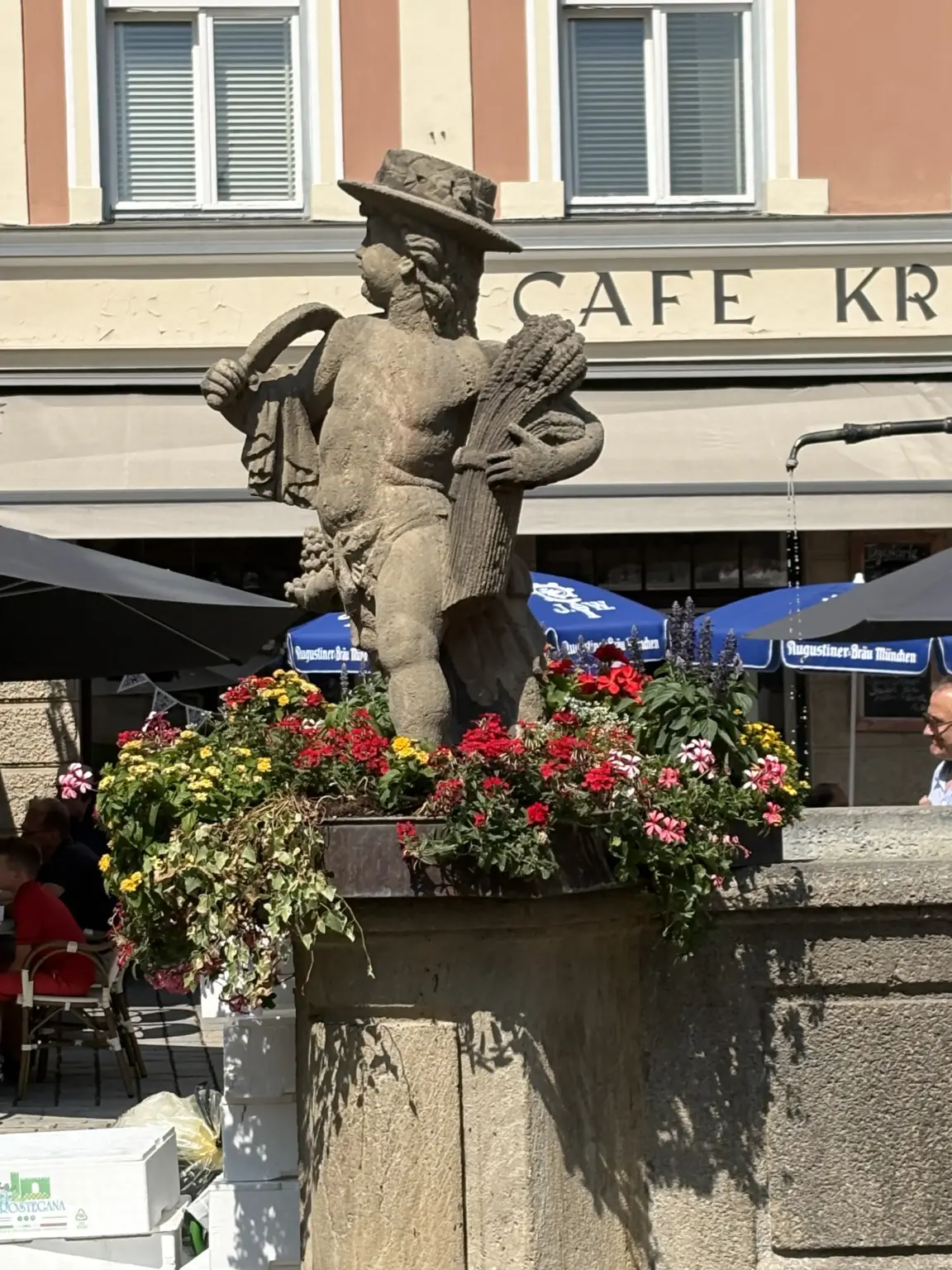
Humanism means responsibility
We do not view humanism as a retreat into the past, nor as the preserve of a small circle of the educated. For us, humanism means taking human beings seriously in their freedom and dignity, making knowledge accessible, fostering curiosity, and bringing different perspectives into dialogue with one another.
This also includes taking responsibility for the world in which we live. We do not view culture, society, and nature as separate from one another. The question of how we want to live links our engagement with our cultural heritage to our responsibility for the landscape, the environment, and future generations.
Culture thrives on exchange
The James Loeb Society aims to bring together people who are interested in history and the present and who are willing to reflect on the future. We therefore do not view our lectures, discussions, exhibition visits, guided tours, academic programs, and international exchanges as merely a cultural program. They are intended to inspire, reveal connections, and facilitate discussions.
Intergenerational exchange is particularly important to us. Young people should be given the freedom to ask their own questions, develop ideas, and contribute new perspectives. After all, an intellectual legacy remains alive only when each generation reexamines it anew.
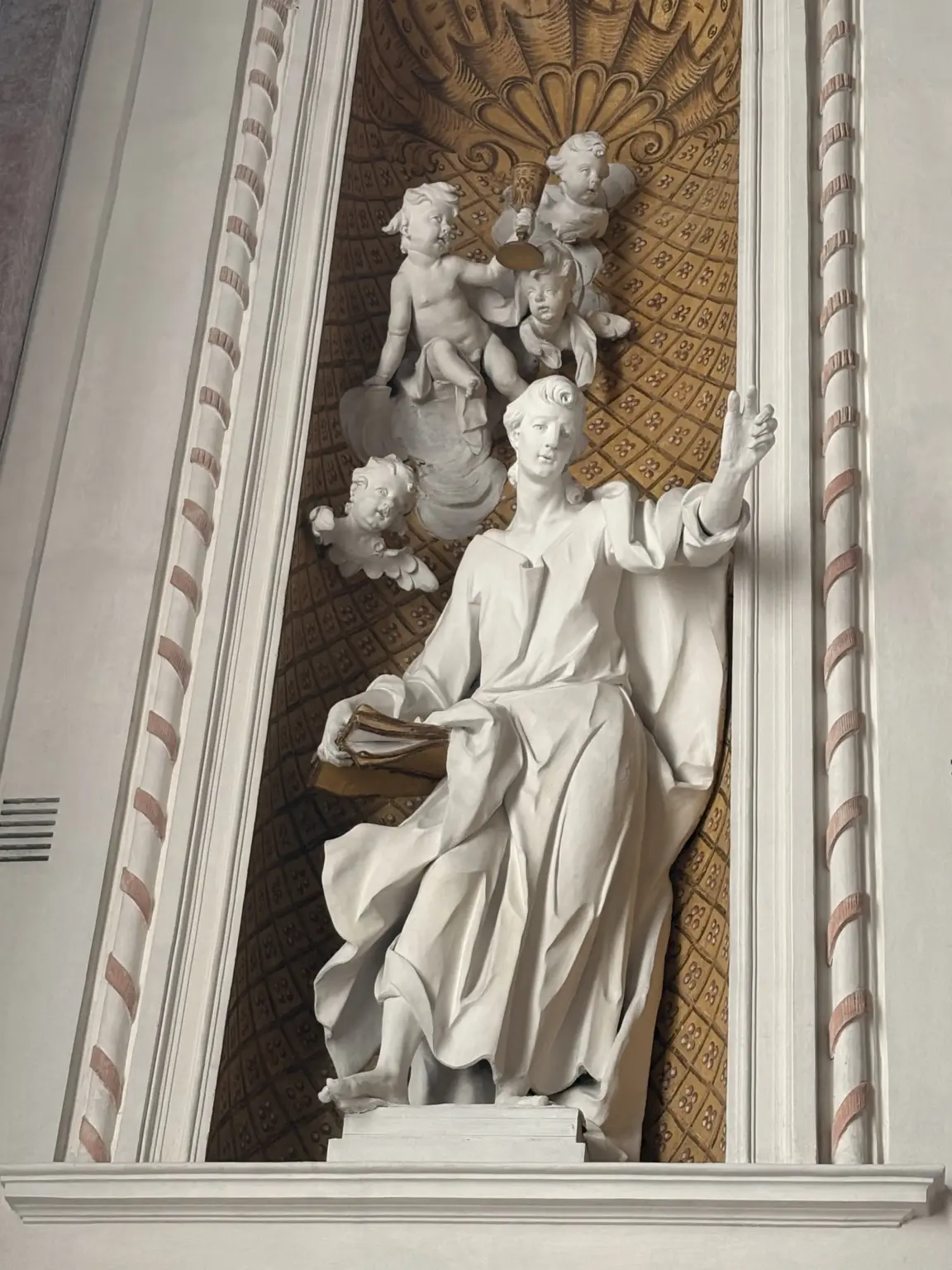
Openness Requires a Stance
Our society stands for openness to the world, tolerance, and a culture of democracy. We advocate for a society in which differences are accepted, ideas are exchanged, and people are not marginalized because of their background, religion, or way of life.
For us, however, openness does not mean arbitrariness. Freedom, human dignity, respect, and a willingness to engage in reasoned dialogue form the foundation of our actions. It is precisely in this that we see a connection to James Loeb: for him, education and culture were not mere embellishments of a privileged life, but rather means of connecting people and enabling them to participate fully in society.
Memories Become the Future
James Loeb left behind libraries, works of art, scientific institutions, and social organizations. For us, however, his true legacy lies in an attitude: to remain curious, to take responsibility, and to make a difference for others to the best of one’s ability.
We want to build on this legacy. We preserve memory so that the future can emerge from it. We promote culture because it fosters understanding. We create opportunities for people to come together because community thrives on exchange. And we invite people to get involved.
In the spirit of James Loeb: think with an open mind, act responsibly, and shape the future together.