
James Loeb's Intellectual Legacy
– Education as a Responsibility
– Culture as a Bridge
– Humanism as an Attitude
James Loeb never viewed education as an end in itself. For him, it was a prerequisite for successful coexistence. Art, literature, and science should not distance people from reality, but rather help them understand it better.
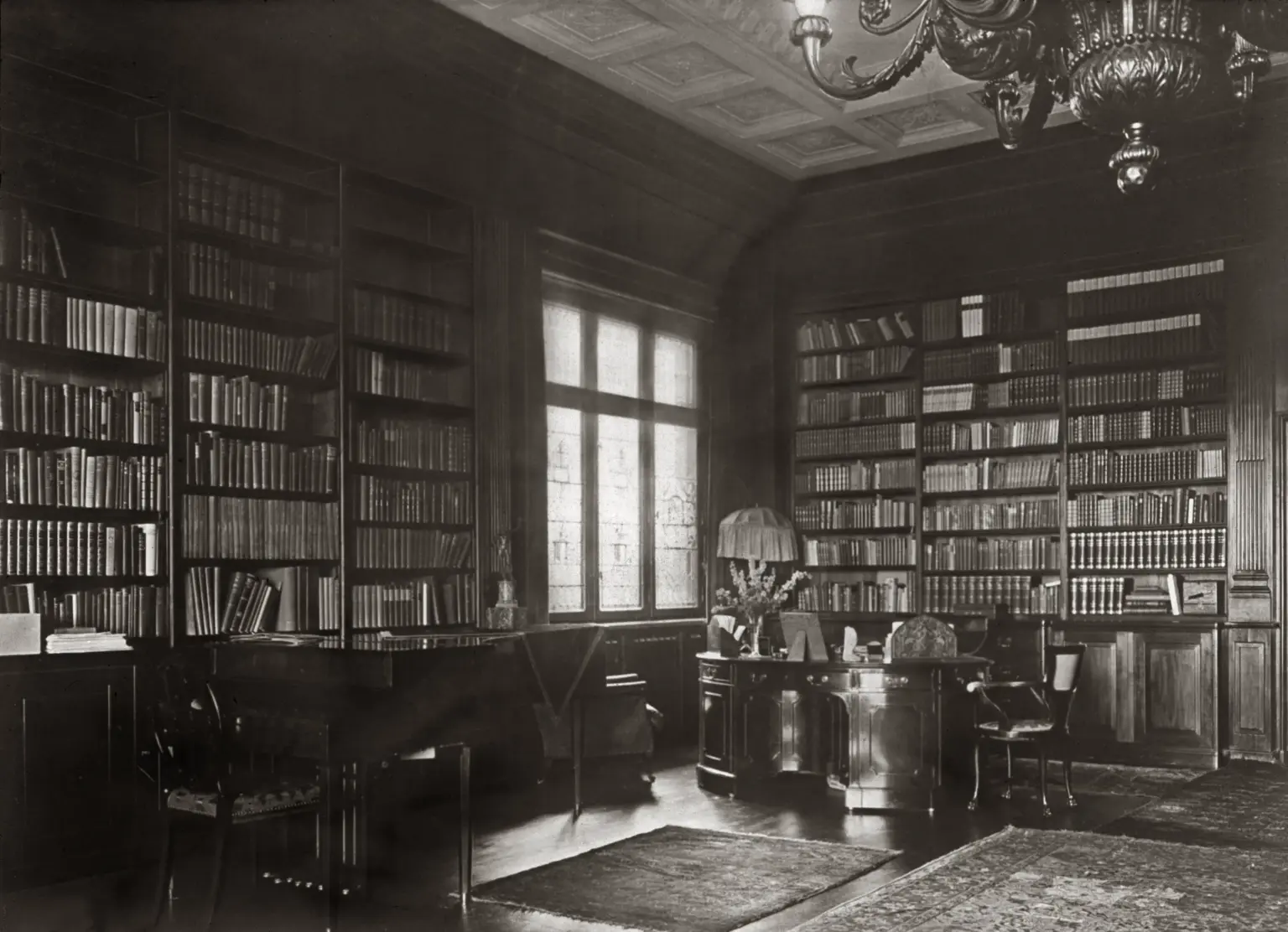
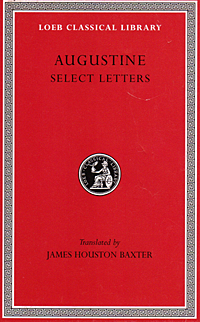
Loeb was no scholar in an ivory tower. He wanted to bring the knowledge of antiquity out of the libraries and make it accessible to as many people as possible. The Loeb Classical Library, which he founded, arose from the conviction that the great texts of Greece and Rome still have something to say to modern readers. Technical progress alone, Loeb believed, does not make a society more humane. People also find guidance in the ideas of the past.
Humanism as a Way of Life
James Loeb rarely spoke about humanism. He lived it.
He supported universities, museums, scientific institutions, and social projects without seeking public recognition. He did not view his fortune as personal property, but rather as a responsibility toward society. Assistance should be provided regardless of origin, religion, or social status.
His philanthropic work was characterized by modesty and a deep sense of responsibility. In this way, he uniquely combined Jewish tradition, American civic spirit, and European educational ideals.
Culture knows no Boundaries
James Loeb was an American with German roots, a staunch European, and a passionate bridge-builder between cultures. He moved effortlessly between New York, Munich, and Murnau. His circle of friends ranged from scholars to musicians to artists.
This openness is also reflected in his greatest legacy. To this day, the Loeb Classical Library combines original texts with modern translations, thereby making cultural heritage accessible across linguistic and national boundaries.

Nature as a Place of Insight
It was no coincidence that James Loeb made Murnau the center of his life. The landscape of the Blaues Land offered him peace, focus, and inspiration. For him, nature was not merely a backdrop, but a space for reflection and intellectual freedom.
His country house in Hochried was deliberately designed to be in close harmony with the landscape. Here, art, music, science, and nature came together to form a way of life that still seems astonishingly modern today.
Many of the questions that preoccupied James Loeb are more relevant today than ever. How can education remain accessible to all? What responsibilities do prosperity and knowledge entail? How can cultural heritage provide guidance in a rapidly changing world?
The James Loeb Society views these questions not as a historical remembrance, but as a mission. It takes up Loeb’s ideas and carries them forward through a dialogue between culture, science, and society.