
The Villa Loeb in Munich
A House Between Antiquity and Modernity
A New Life in Europe
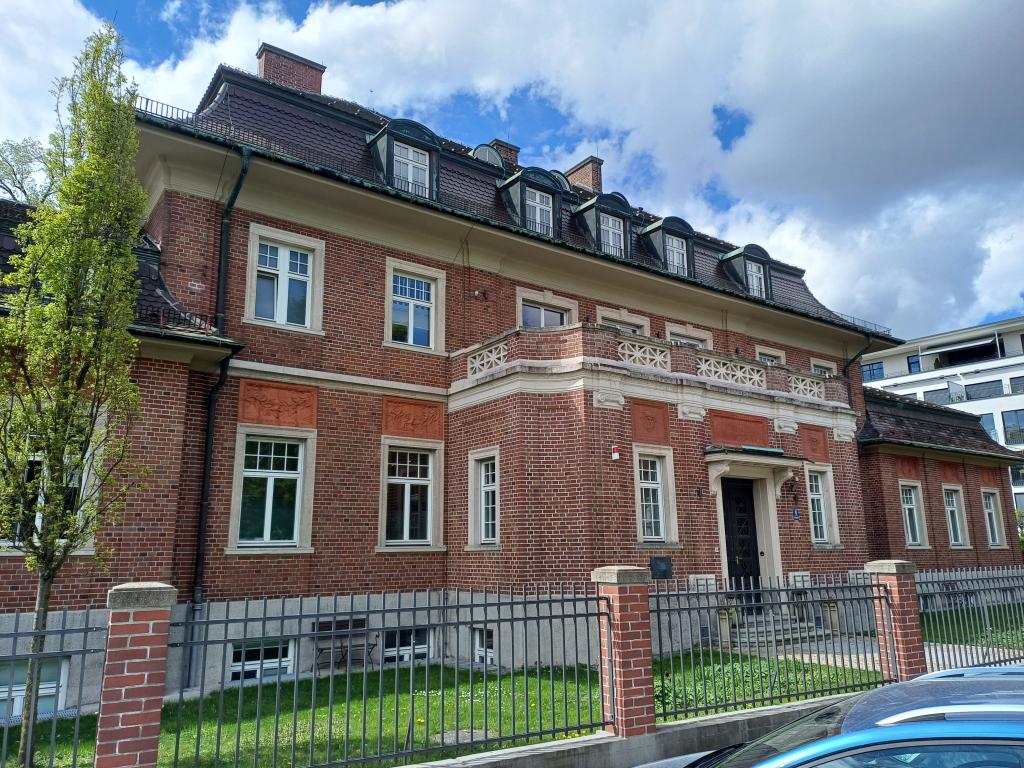
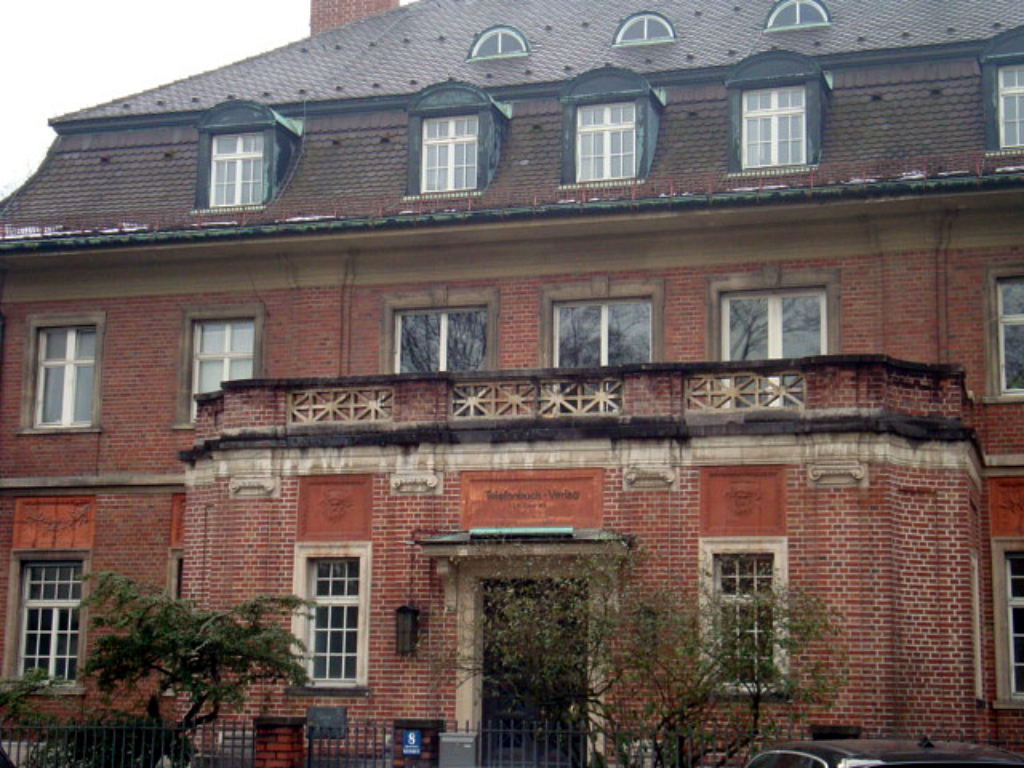
After leaving the banking business, Munich became a new home for James Loeb. Here he found a cultural and scholarly environment that suited his interests; here he cultivated friendships; and here he continued significant aspects of his philanthropic work. A visible testament to these years in Munich remains to this day: Villa Loeb at Maria-Josepha-Straße 8 in Schwabing.
In 1906, James Loeb settled in Munich. At first, he lived at 33 Rumfordstraße. A few years later, he purchased the estate in Schwabing that had belonged to the archaeologist Adolf Furtwängler, who had died in 1907 and had advised Loeb on building his significant collection of antiquities.
Loeb commissioned his friend Carl Sattler to design his new home. The Munich architect designed a spacious villa for him, which was built between 1910 and 1912. The house, located in the immediate vicinity of the English Garden, became the center of Loeb’s life in Munich.
A Home for Art and Intellectual Exchange
The villa was far more than just a prestigious residence. It provided Loeb with space for his art collection and his books and became a place for intellectual exchange with scholars, artists, and friends.
This was in line with his life plan after retiring from the banking business. For Loeb, financial success was not an end in itself. He used the freedom his wealth afforded him to immerse himself in art, literature, music, and classical antiquity, while also supporting scholarly and social projects.
Munich offered an ideal environment for this. At the beginning of the 20th century, the city was one of Europe’s leading centers of art and science. Here, Loeb forged numerous connections that shaped the rest of his life and his patronage.
Munich and the Blue Land
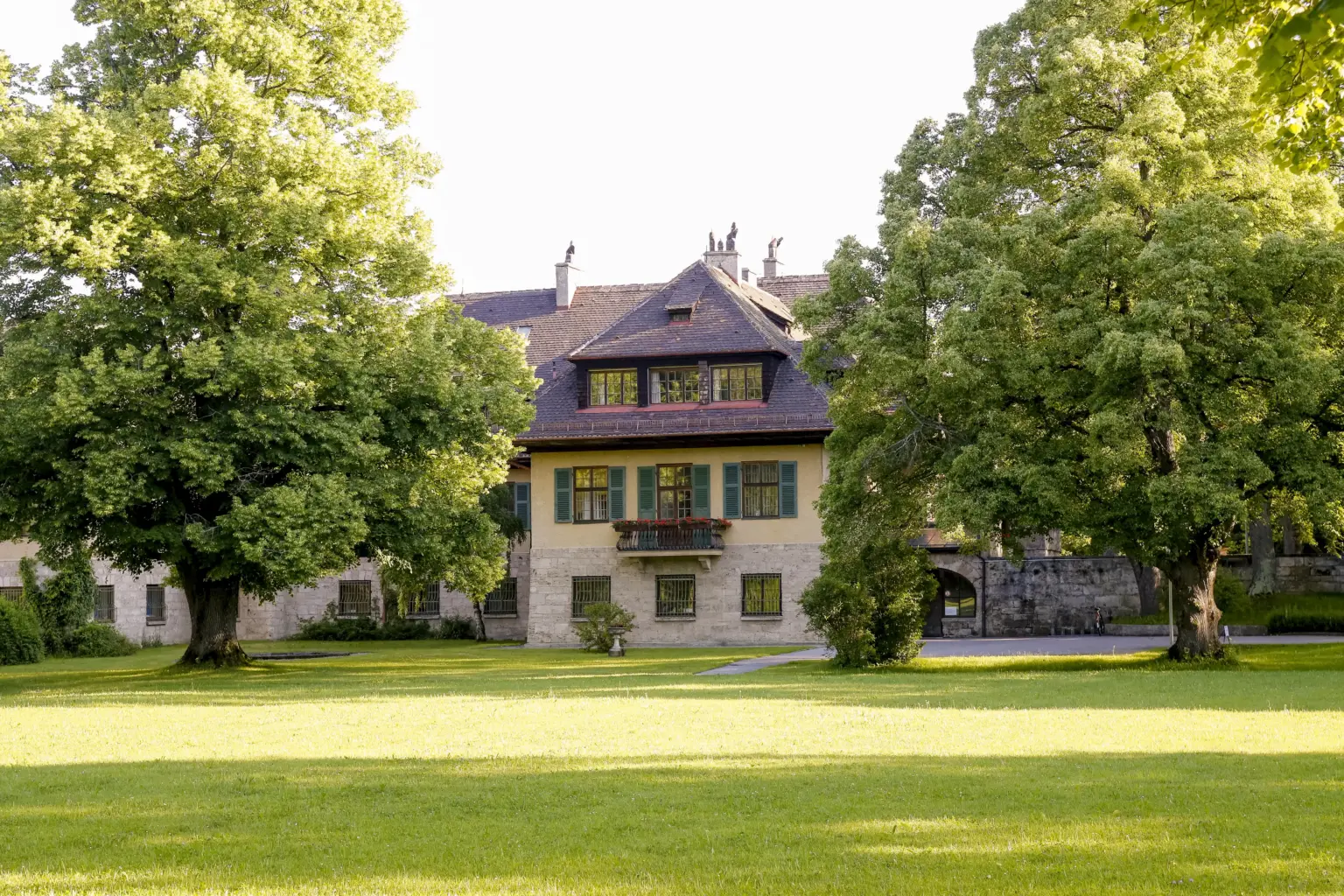
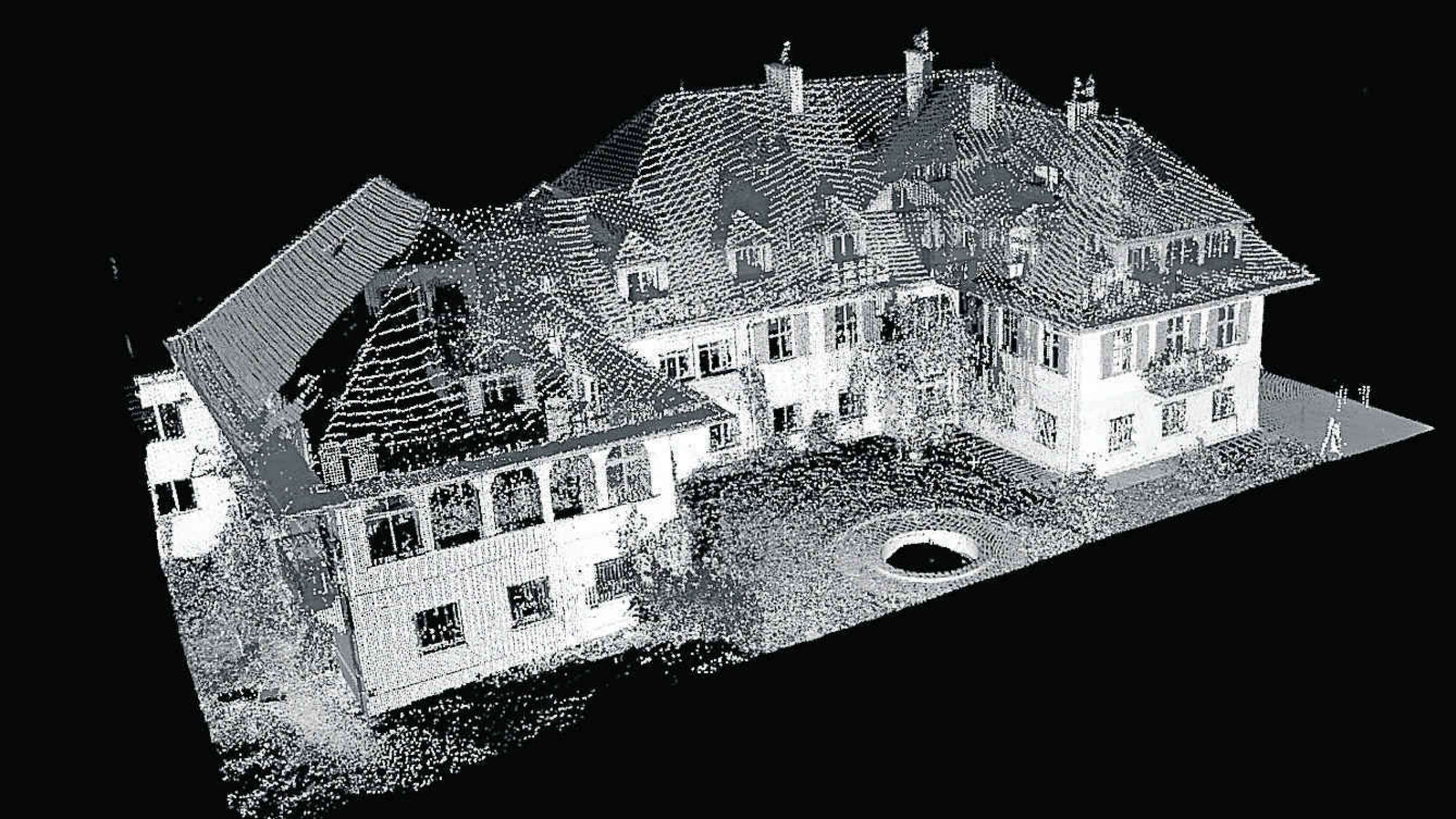
In addition to the big city, James Loeb soon discovered a second world for himself. During his stays in the Bavarian Oberland, he became acquainted with Murnau and the countryside around Staffelsee. There, too, he commissioned Carl Sattler to build a house: the Hochried country house.
At first, Loeb lived between the two places. Munich represented science, culture, and social life, while Hochried increasingly came to symbolize peace, nature, and seclusion. After his marriage to Marie Antonie Hambuechen in 1921, the center of his life shifted more and more toward Murnau.
Both houses therefore reveal different sides of the same person. The villa in Munich symbolizes Loeb’s deep connection to the city’s intellectual and scientific life. Hochried became his personal retreat and, ultimately, his true home in Bavaria.
The Villa Loeb today
The building at Maria-Josepha-Straße 8 has been preserved. Since 1990, a commemorative plaque has honored James Loeb as a man whose influence extended far beyond the walls of his home.
The villa stands as a stone testament to those years when James Loeb began a new life in Bavaria. From Munich and later from Murnau, he developed an extraordinary patronage whose influence remains visible in science, culture, and society.