
The James Loeb Country House in Hochried
A place of humanism, culture, and encounter
Art, Science, and Music
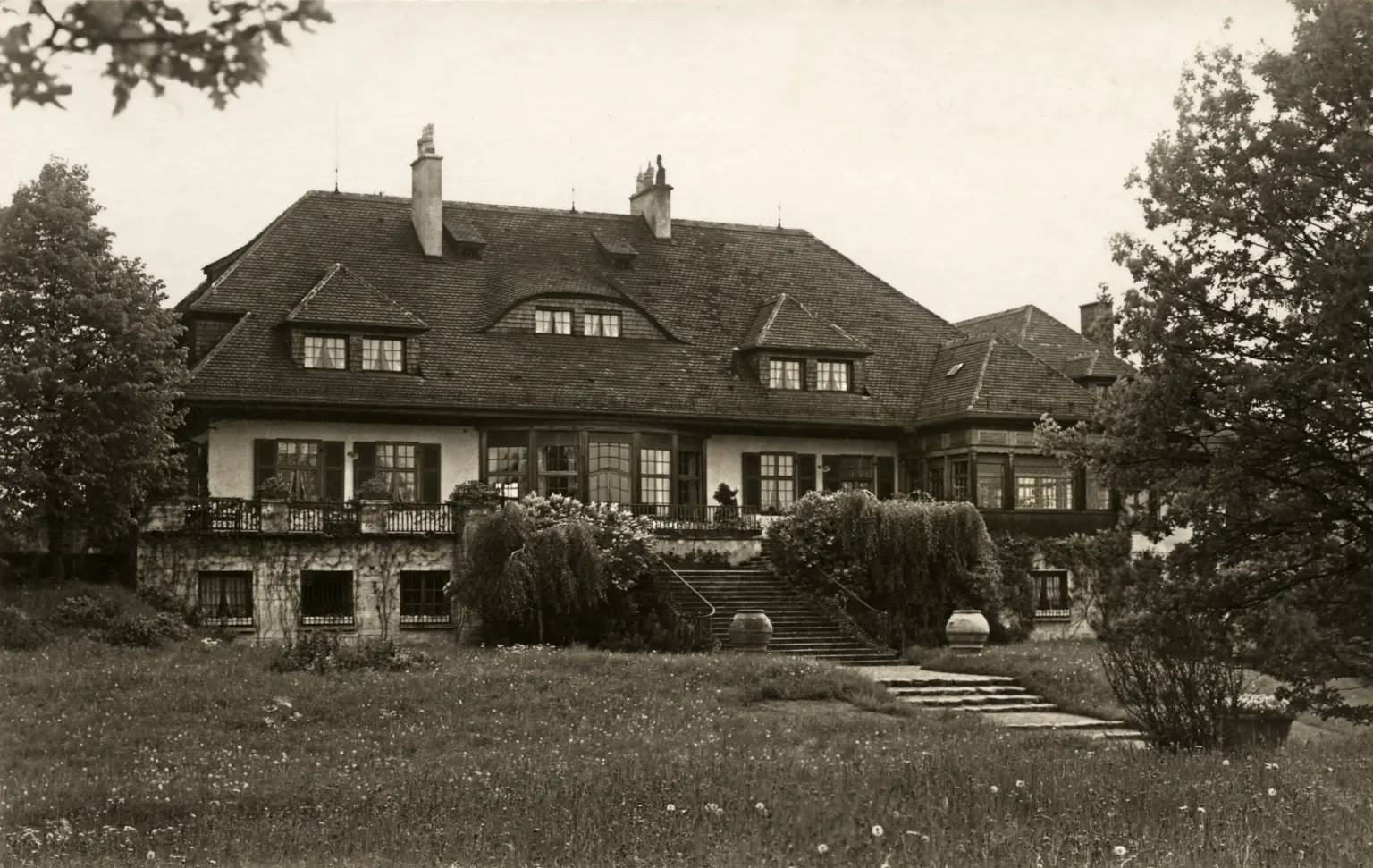
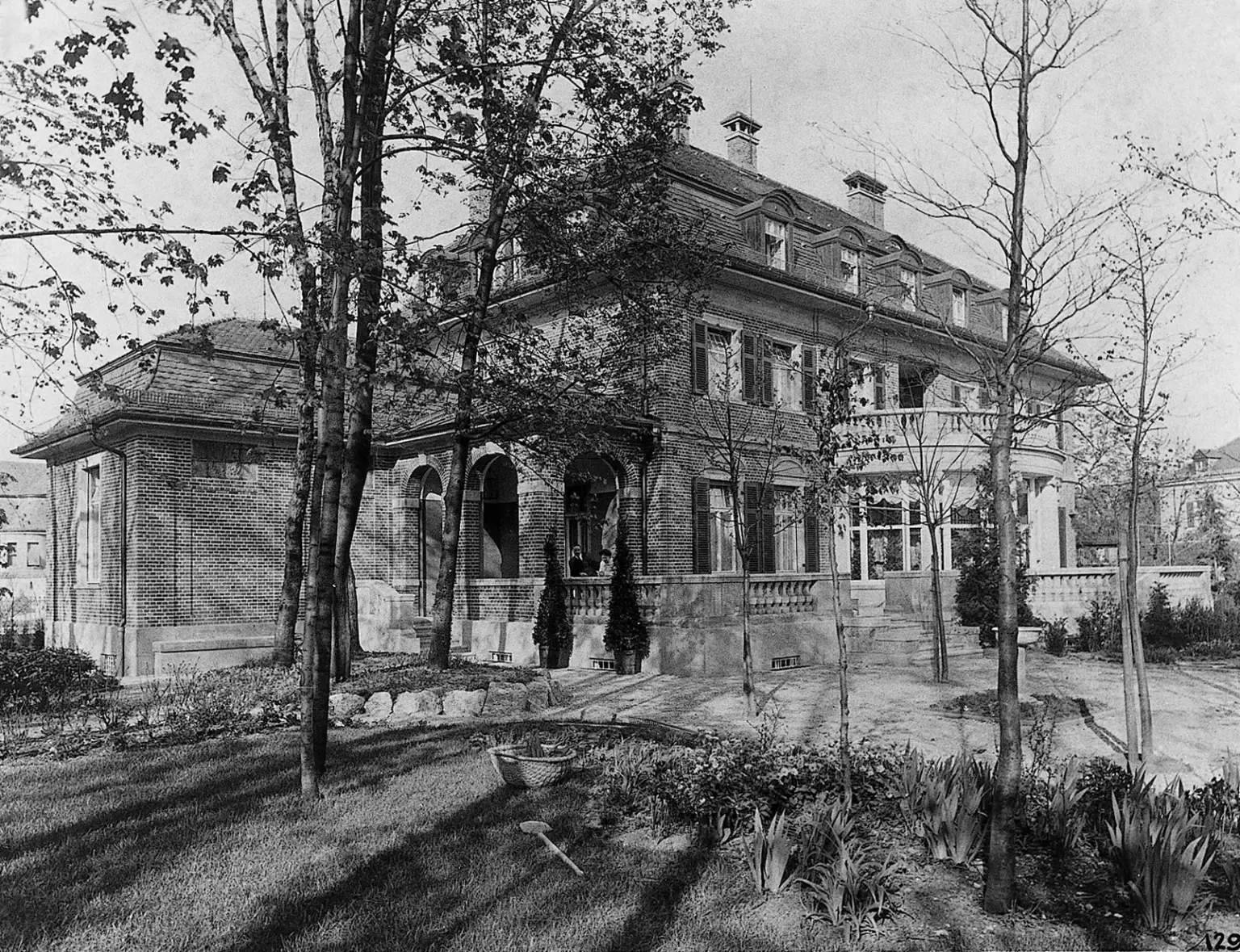
When James Loeb had his country house built in Hochried near Murnau in 1911, the result was far more than a private summer residence. The villa, designed by Munich architect Carl Sattler, became the center of his life in Bavaria and a place where art, science, music, and humanism came together in a unique way.
Nestled in a spacious parkland setting with views of the Murnauer Moos and the Ester Mountains, Loeb created a retreat that deliberately exuded tranquility and inspiration. The house and the landscape formed a harmonious whole, reflecting his belief that culture and nature are inseparably linked.
Architecture with a Vision
James Loeb lived regularly in Hochried beginning in 1912. There, he devoted himself to his significant collection of ancient art, worked on the Loeb Classical Library he founded, and cultivated relationships with scholars, artists, and musicians.
The country house housed an extensive library and precious works of art. At the same time, it was a place for personal encounters. Loeb’s circle of friends included, among others, the cultural historian Aby Warburg and the composers Richard Strauss and Max Reger. As an enthusiastic cellist, James Loeb regularly played chamber music, turning the house into a hub for music as well.
Carl Sattler designed the country house not as a stately villa, but as a spacious country home that blended harmoniously into the Upper Bavarian landscape. Original design drawings show that James Loeb himself exerted a major influence on the design of the house and park. The architecture combines traditional elements with international influences and continues to give the estate its distinctive character to this day.
From a Private Home to the Hochried Clinic
After the deaths of James and Marie Antonie Loeb, the estate initially remained in the family. In 1954, the Catholic Youth Welfare Service of Augsburg acquired the approximately 25-hectare property. Over the decades, the former country estate evolved into today’s KJF Klinik Hochried, a renowned specialized clinic for children, adolescents, and young adults.
The historic villa remains the centerpiece of the clinic grounds to this day and serves as a reminder of its original builder. In this way, the estate lives on in a new form: as a place where people find support, encouragement, and new perspectives. This idea is particularly in line with James Loeb’s humanistic and social philosophy.
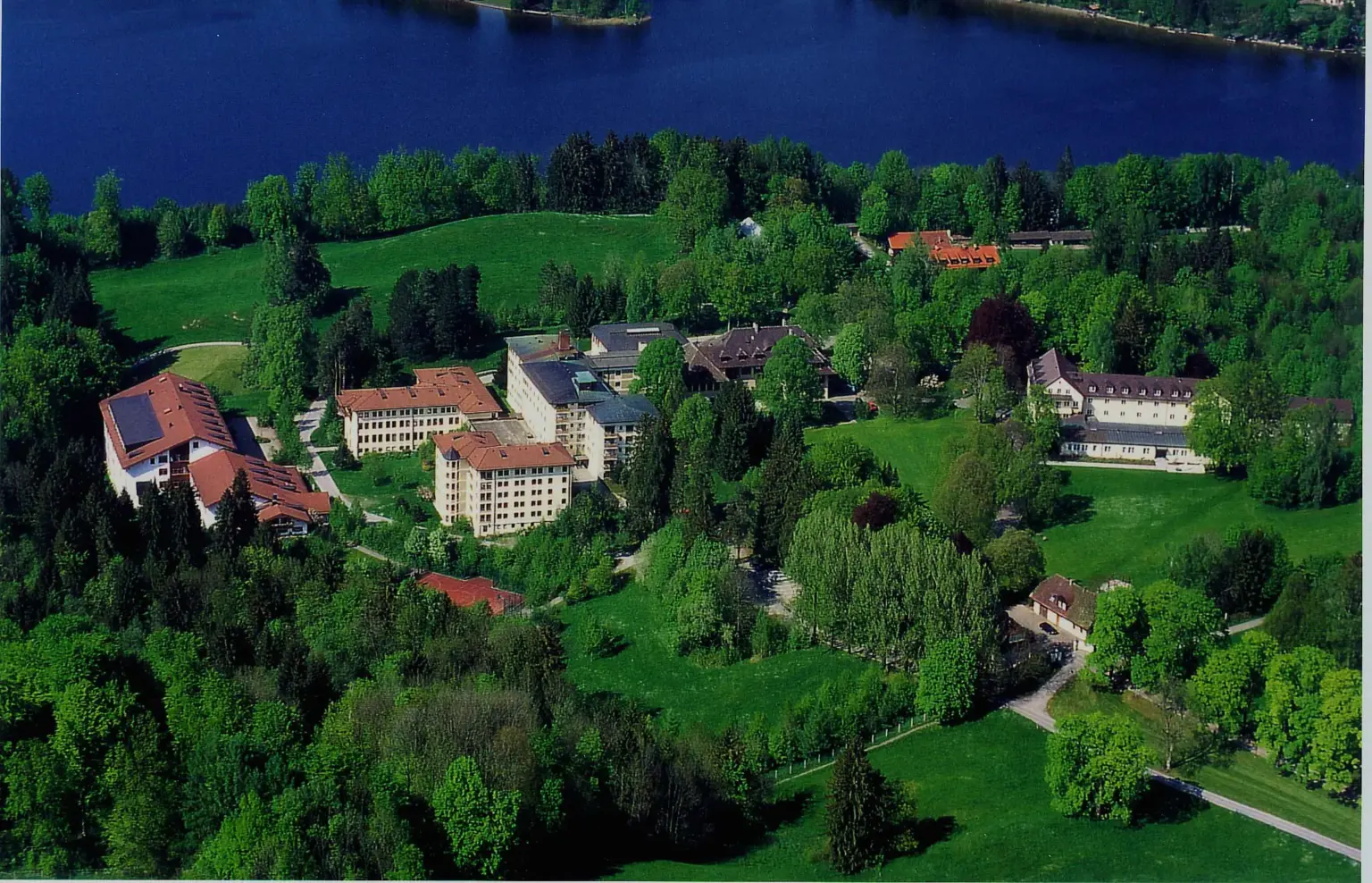
Today the country house remains a vibrant place, though it is not a museum. In collaboration with the KJF Klinik Hochried, the James Loeb Society regularly uses the historic villa for lectures, concerts, readings, and cultural events. The international Loeb conferences also traditionally begin here before proceeding to the gravesite of James and Marie Antonie Loeb.
Thus, the Hochried country house remains a place of encounter and exchange, entirely in keeping with the spirit of its builder.
The Hochried country house tells more than just the story of an extraordinary individual. It embodies an attitude that shaped James Loeb throughout his life: education as a duty, culture as a bridge between people, and social responsibility as humanism in action.
Visitors to the villa today do not encounter a monument to a bygone era. Rather, they experience a place where James Loeb’s ideas continue to have an impact to this day and where new impulses for culture, science, and social interaction emerge.