
Theokrit in Focus
– The History of the Idyll
– Why Theocritus Remains an Important Author Today
– The Significance of Idylls in the Modern World
The theme of the 2026 European Alpine Academy:
“Theocritus and the Return of the Idyllic: Home, Perception, and the Good Life in the Modern Age”
Volume 28 of the Loeb Classical Library: The Idylls of Theocritus.
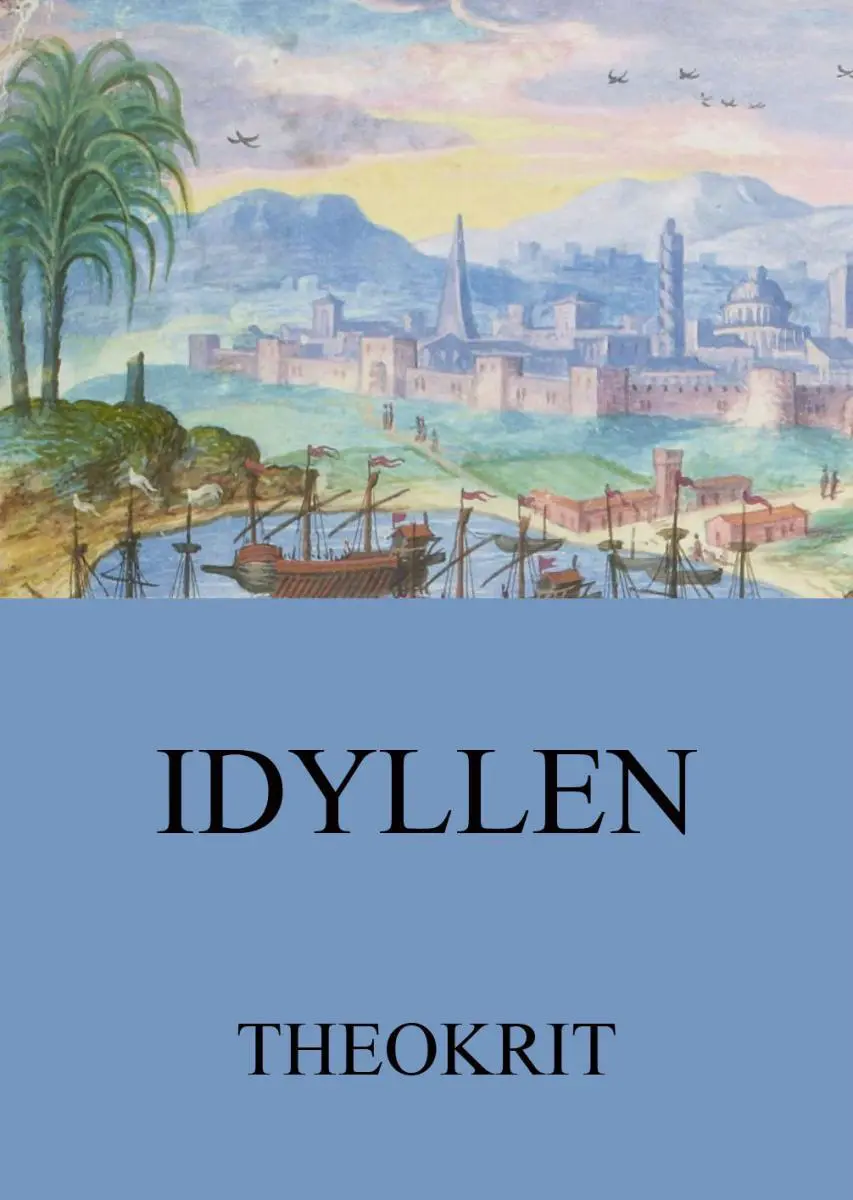
Fundamental Questions
The thirty poems by Theocritus from the 3rd century BCE mark the beginning of the literary tradition that would later be known as bucolic poetry. Shepherds, landscapes, gardens, and rural communities form its outer framework. Yet even in Theocritus’s work, the focus is on far more than the poetic depiction of a supposedly simple world. His poems pose fundamental questions about humanity’s relationship to nature, to the community, and to itself.

Idyll as a Philosophical Concept
The idyll is therefore not only a literary form but also a philosophical concept. It points to the possibility of a life marked by moderation, simplicity, and clarity. In Ancient Greek, the word eidyllion is closely related to idein, meaning “to see.” The idyll thus denotes not merely a subject of poetic depiction, but a particular mode of perception. It opens up the possibility of viewing the world with fresh eyes and rediscovering the familiar in the light of deeper attention.
In this sense, the idyll is by no means limited to antiquity. Questions of home, belonging, rootedness, and a fulfilling life also shape the present. In an age of increasing acceleration, digital sensory overload, and social fragmentation, notions of closeness, community, and manageability are taking on new significance.
Finding Home
Today, we encounter this search for such forms of “being at home” in various cultural contexts. In Denmark, the concept of hygge represents a culture of comfort, community, and mindful simplicity. In the United States, a comparable longing often manifests itself in the search for local communities, traditional ways of life, and a stronger sense of belonging within manageable social spaces. Behind these different manifestations lies a common question: Where and how can people find a sense of home in a complex world?
The European Alpine Academy 2026 therefore examines Theocritus’s legacy not solely from a philological perspective. It explores the traces of the idyllic in literature, art, and cultural history—from ancient bucolic poetry through European landscape painting to the works of Carl Spitzweg and modern conceptions of home and belonging.
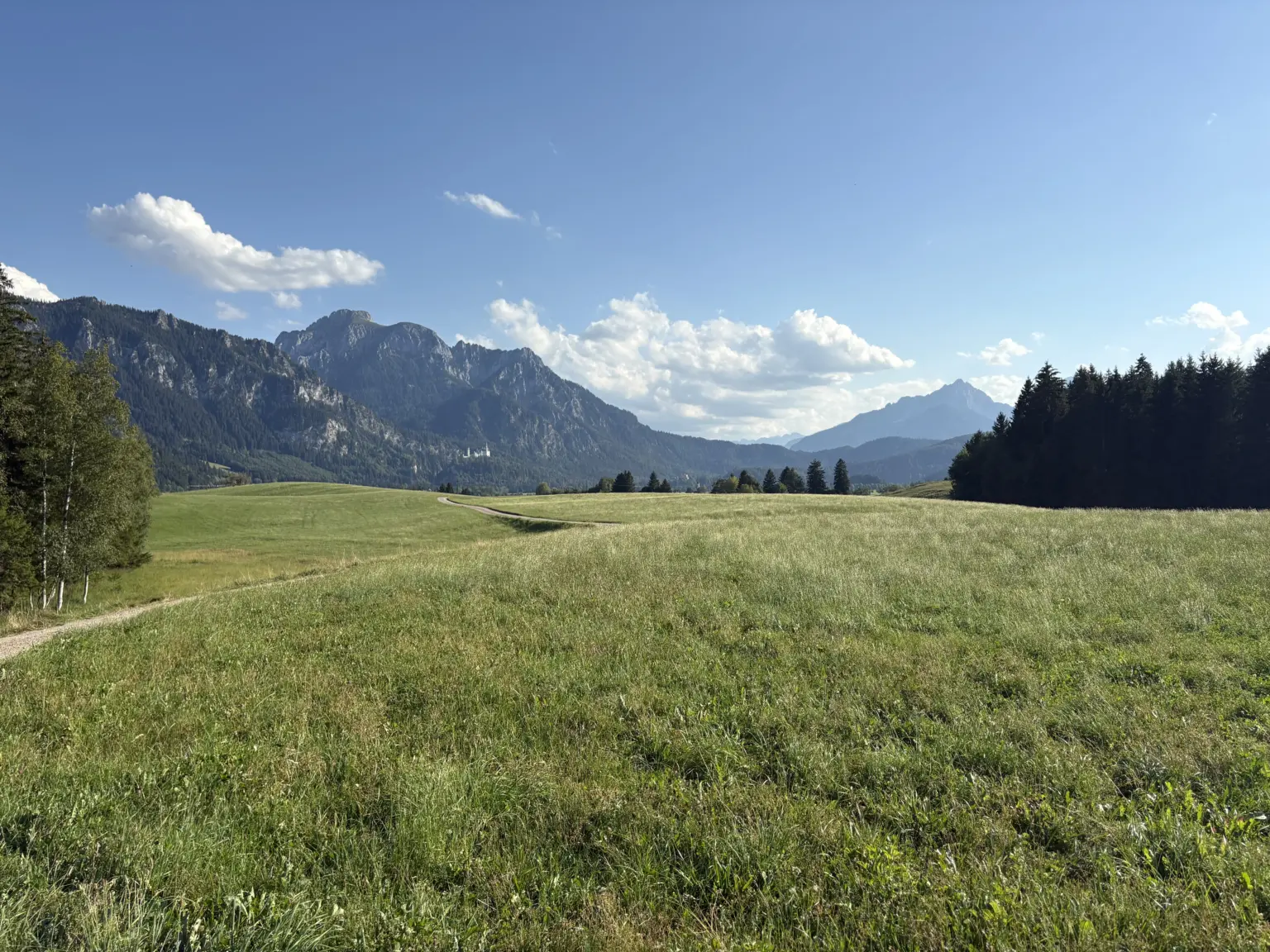
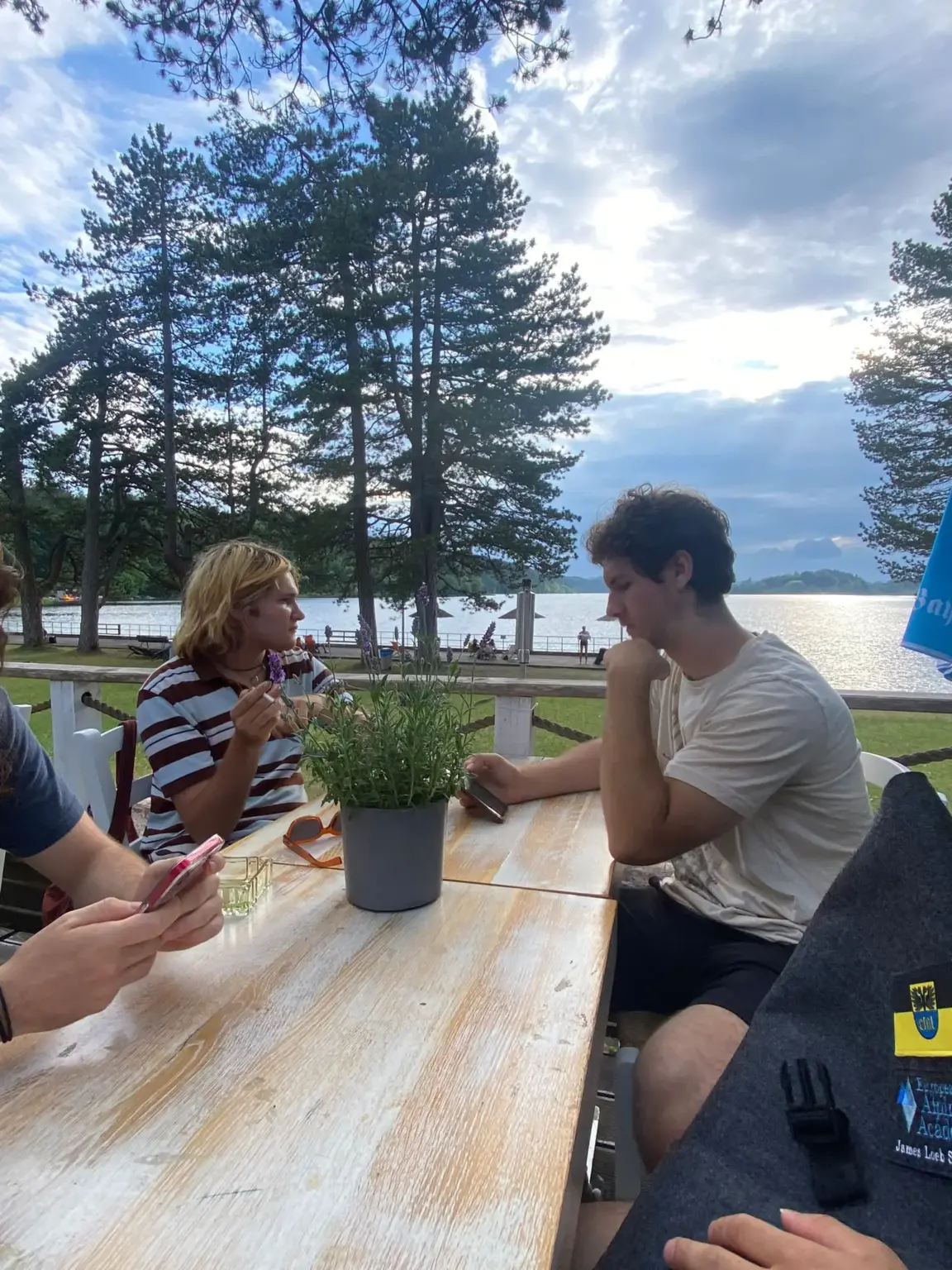
The Timelessness of the Idyll
At the same time, attention is drawn to the ambivalence of the idyll. The idyll is not merely a place of beauty and harmony; it can also become a canvas for nostalgic longings, political idealizations, and forms of cultural self-affirmation.
The classical locus amoenus, the “lovely place” of ancient tradition, also has a dark side in the modern era. The longing for home can foster openness, but it can also lead to exclusion; the search for orientation can lead to new awareness, but also to the romanticization of a supposedly better past.
This is precisely why the idyll is particularly relevant today. It challenges us to reflect on the conditions for a good life and on how people can find their bearings in a complex world. The European Alpine Academy 2026 invites us to interpret Theocritus’s idylls as a starting point for a new engagement with nature, culture, and human self-orientation.