
The Marie-Antonie House
A Home for Female Students
Education Requires Opportunities
Anyone who wants to study needs more than just talent and curiosity. They also need the opportunity to do so. James Loeb had a very practical approach to this. In the late 1920s, he supported a project in Munich that was ahead of its time: the city’s first residential building designed specifically for female students.
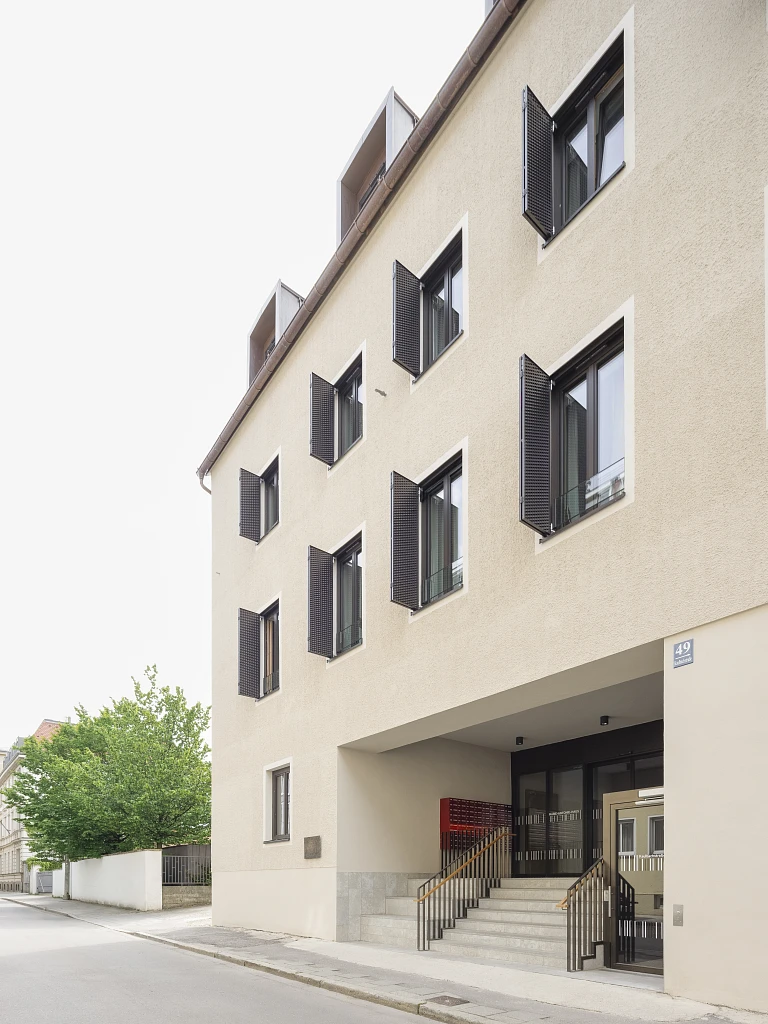
In 1929–30, Loeb financed the construction of a residence hall for female students at 49 Kaulbachstraße for the Studentenhaus München association, the predecessor of today’s Studierendenwerk München Oberbayern.
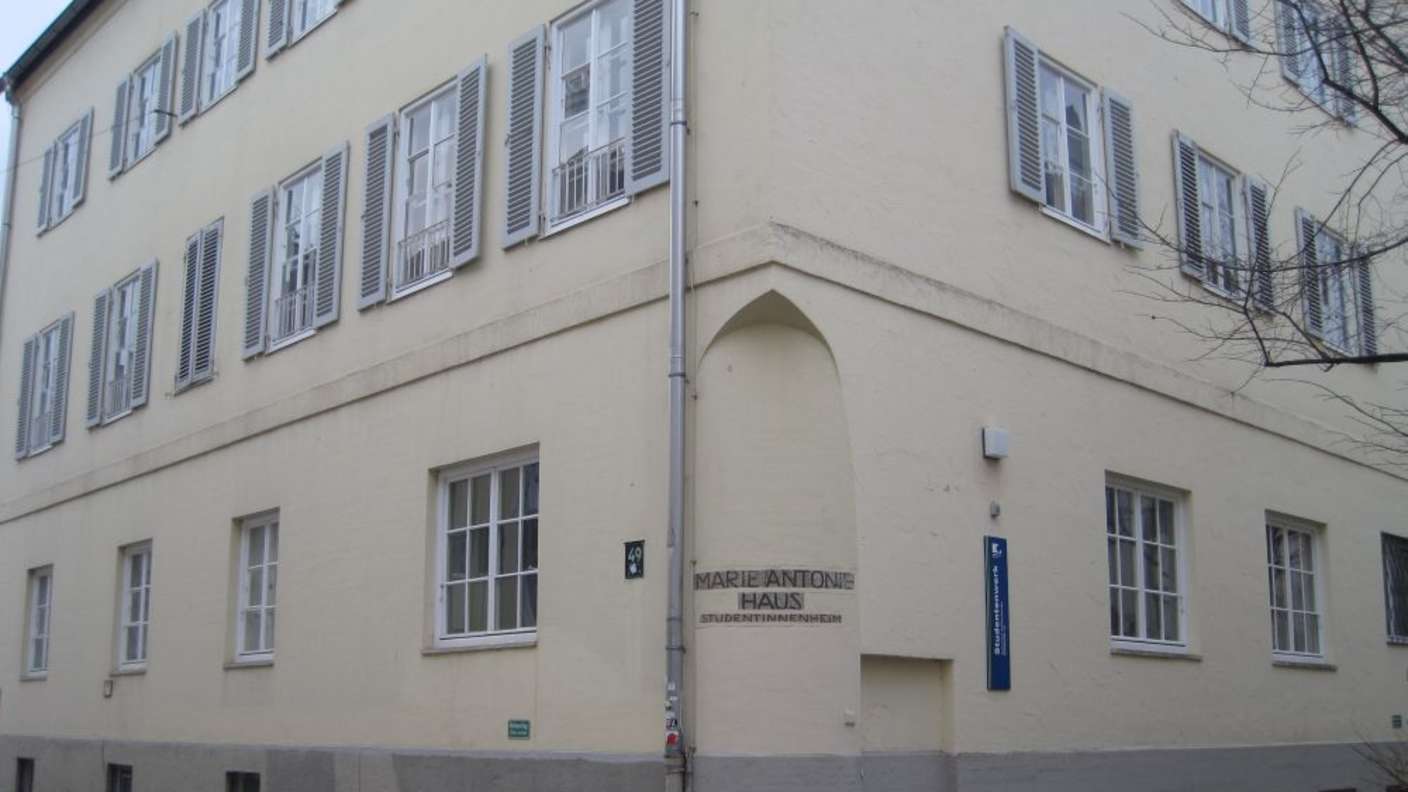
Women's Student Housing
At that time, women were still a clear minority at universities. Finding suitable and affordable housing in the immediate vicinity of the university could therefore make a very real difference in whether a woman could pursue a college education at all.
The new residence offered female students precisely this opportunity. Through his support, James Loeb put into practice an idea that runs through all of his philanthropic work: education should not be open only to those who already have the best advantages.
The building became Munich’s first residence for female students.
Marie-Antonie, not James Loeb
The name of the building is also noteworthy. Loeb did not want to name it after himself. Instead, he named it after his wife, Marie Antonie.
This is fitting for a patron who, while providing large sums of money for science, education, the arts, and social institutions, rarely put himself in the spotlight.
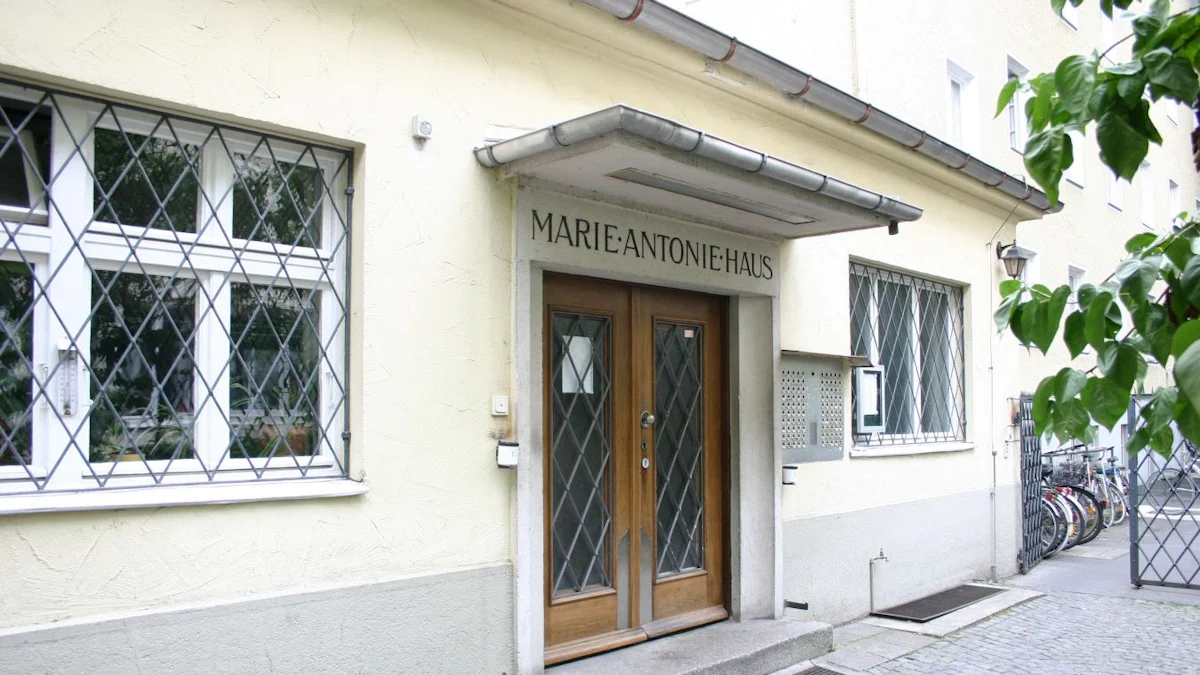
And so the Marie-Antonie-Haus at Kaulbachstraße 49 came into being.
Destruction and an Unusual New Beginning
World War II left the Marie-Antonie-Haus severely damaged. Though the building’s story did not end there.
Beginning in 1948, American and German students worked together to rebuild the dormitory. The project was one of the early initiatives of the organization “The Experiment in International Living” in postwar Germany. The reconstruction of a building thus became, at the same time, a project of German-American understanding.
This holds special symbolic significance in connection with James Loeb. A house that an American patron had created for young people in Munich was rebuilt after the war and the Nazi era by young Germans and Americans working together.
A social idea lives on
The Marie-Antonie-Haus continued to evolve in the decades that followed. Since 1970, male students may also live there. More recently, the residence was thoroughly renovated and redeveloped into a modern, inclusive residence hall.
Today, students with diverse personal circumstances live there together. Among other things, the building is designed to meet the needs of people with disabilities and chronic illnesses.
Thus, the specific purpose of the residence has changed since James Loeb’s time. His fundamental idea, however, has remained the same: to open up better opportunities for education and social participation for young people, regardless of their circumstances.
The Marie-Antonie-Haus is therefore far more than a footnote in James Loeb’s biography. It illustrates what social responsibility meant to him: not just talking about education and humanism, but creating conditions under which people can develop their abilities.
Almost a century later, this idea lives on in Kaulbachstraße.
What began as a residence for female students has become a home of inclusion.