
Who was James Loeb?
“The technical and social achievements of our time must not blind us to the fact that, in everything concerning human beings, their nature, and their hopes, we have added little to what the great thinkers of antiquity have already so impressively expressed.” (James Loeb)
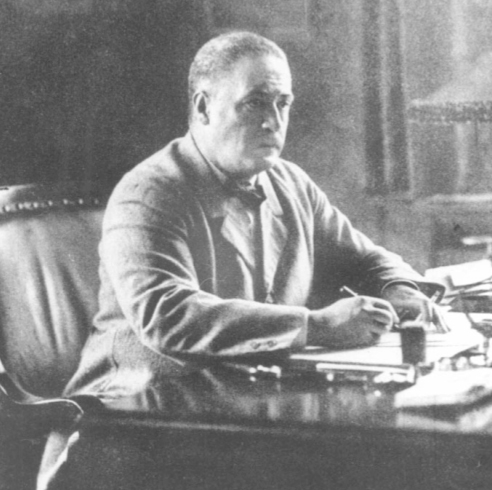
James Loeb in Murnau: Art collector, humanist, and patron of the arts
With the support of Dr. Brigitte Salmen
The American banker, art collector, and patron James Loeb (1867–1933) had a lasting impact on Murnau and Munich. The son of a wealthy German-Jewish banking family from New York, he left his position at the Loeb banking house in 1902 to devote himself entirely to his cultural interests, classical antiquity, and philanthropic endeavors. His decision to move to Europe in 1905 and eventually settle in Murnau had far-reaching consequences for the arts, academia, and social life. To this day, James Loeb is regarded as one of the most significant figures in German-American cultural history.
The Collector
Ancient art, extraordinary libraries, and the preservation of cultural heritage defined his life.
The Humanist
For James Loeb, education, science, and understanding were the cornerstones of a free and open society.
The Patron
Ob Harvard, München oder Murnau: James Loeb setzte sein Vermögen ein, um Menschen, Forschung und Kultur dauerhaft zu fördern.
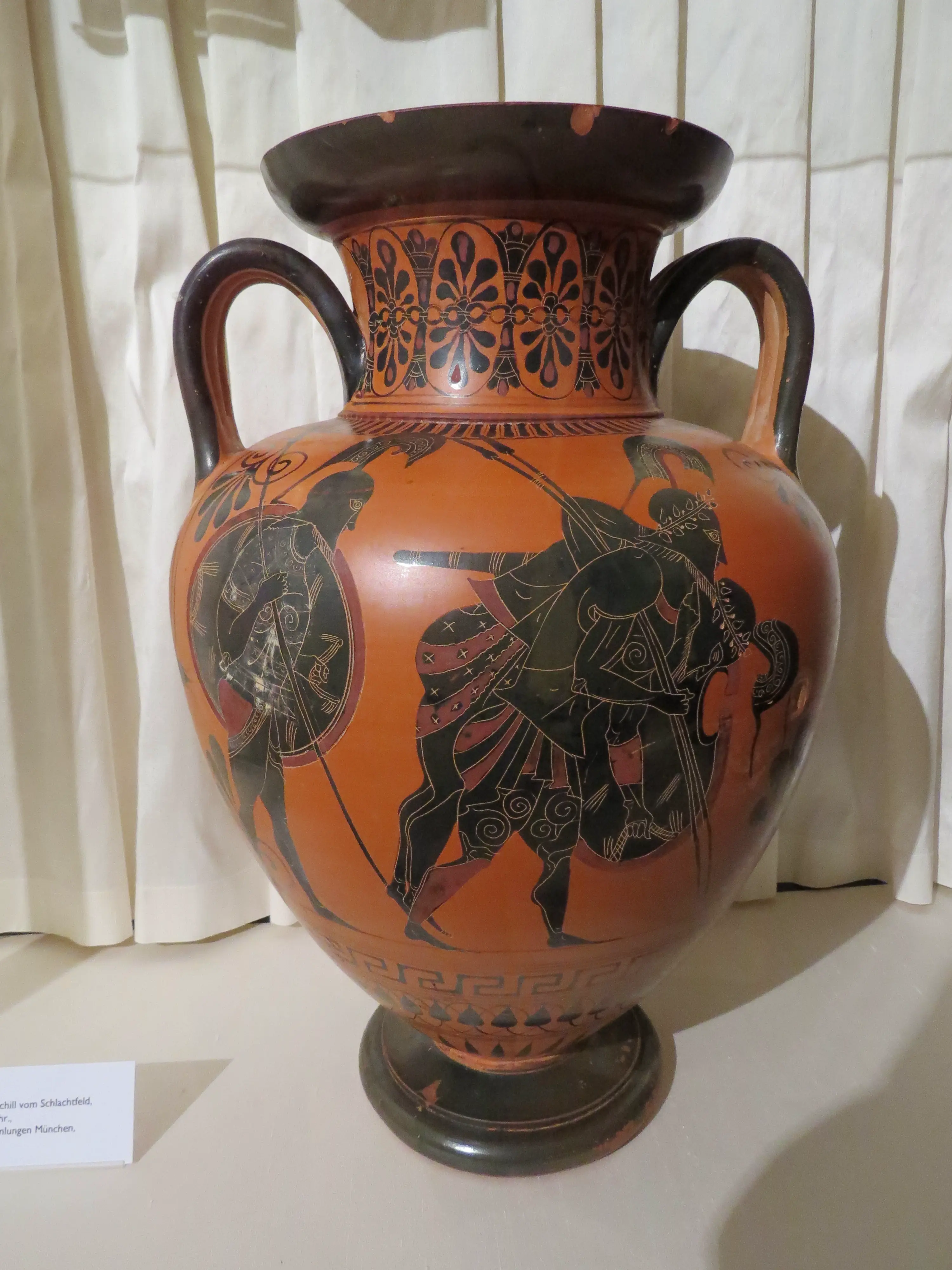
One of the most significant collections of antiquities of its time
James Loeb devoted himself with great passion to building an extraordinary collection of ancient art. It included Archaic sculptures, Greek terracottas, Hellenistic and South Russian gold jewelry, ancient glassware, and Egyptian, Roman, and Etruscan bronzes.
Among the best-known pieces are the famous “Loeb Poseidon” and the “Loeb Tripods.” During his lifetime, Loeb donated a large portion of his collection to what is now the State Collections of Antiquities in Munich, where numerous works remain on display to this day.
The Loeb Classical Library
To this day, the Loeb Classical Library continues a tangible legacy that is unique in the world. In 1912, James Loeb founded this book series with the goal of making the most significant works of Greek and Latin antiquity accessible to a broad audience.
Each volume contains the original text and an English translation on opposite pages. What was initially met with skepticism due to its compact format went on to become an academic success story. By the time of Loeb’s death, some 360 volumes had already been published. Today, the series comprises nearly 600 titles and ranks among the most important editions of classical literature worldwide.

Friendships and Cultural Network
In addition to being an art collector, James Loeb was also a passionate musician. He played several instruments, particularly the cello, and maintained close ties with prominent composers such as Richard Strauss and Max Reger.
His closest circle of family and friends also included the Warburg family of Hamburg bankers. He shared a particularly deep intellectual kinship with the cultural historian Aby Warburg. Both were united by a passion for art, scholarship, and Europe’s cultural heritage, as well as by their commitment to building significant libraries and collections.
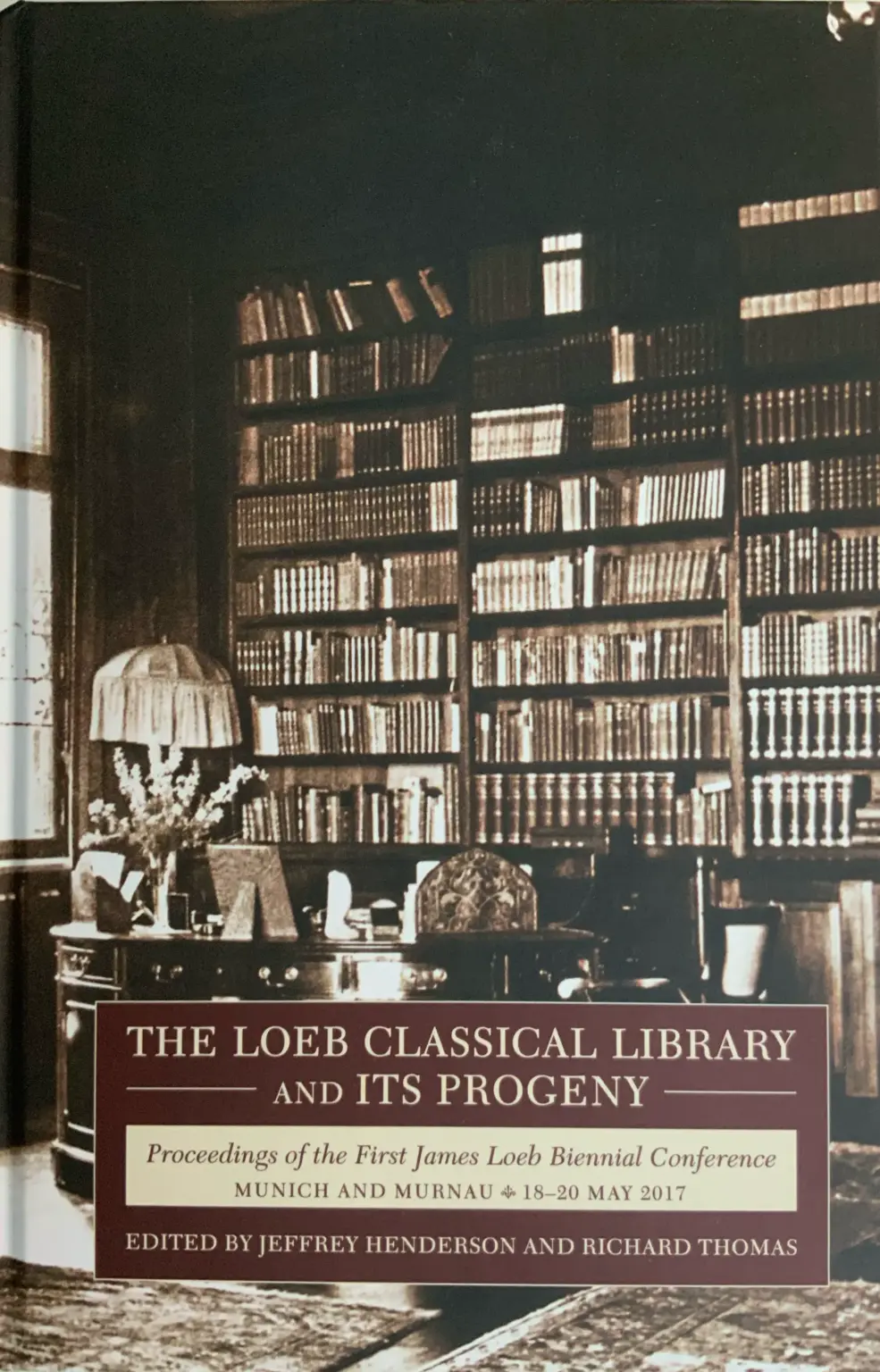
The Legacy of James Loeb
James Loeb exemplified a fusion of humanism, scientific curiosity, cultural education, and social responsibility. As an art patron, scholar, and benefactor, he left a legacy that remains visible to this day: in the State Collections of Antiquities in Munich, in the world-renowned Loeb Classical Library, in academic institutions, and in Murnau itself.
Precisely because Loeb shunned the limelight and maintained a low profile, his work remained in the background for a long time. Today, there is a growing awareness of the extraordinary contribution he made to the arts, scholarship, education, and the common good. His life impressively demonstrates how cultural engagement and social responsibility can have an impact far beyond one’s own lifetime.